Volume & Issue: Volume 3, Issue 2, March and April 2026 
Number of Articles: 4

Evaluation of Late-Onset Sarcopenia Following Radiotherapy in Mastectomy Patients

Pages 187-196

https://doi.org/10.5281/zenodo.24192927)

Hosein Shiri, Ali Reza Nasseri, Javad Sarbazzadeh

Abstract Introduction: Post-mastectomy radiation therapy is crucial for breast cancer management, yet its long-term impact on skeletal muscle depletion remains poorly understood. Because thoracic irradiation can provoke systemic catabolic pathways and progressive muscle loss, identifying secondary body composition changes is clinically vital. Therefore, this study was designed to evaluate the incidence of sarcopenia following radiotherapy in mastectomy patients.

Material and methods: This descriptive cross-sectional study evaluated 125 post-mastectomy patients recruited via convenience sampling at Shahid Madani Hospital. Following institutional ethics approval, standardized clinical data, radiotherapy records, and sarcopenia assessments including handgrip strength and muscle mass metrics were collected. Data were analyzed using appropriate descriptive and inferential statistical methods to examine post-treatment muscle status.

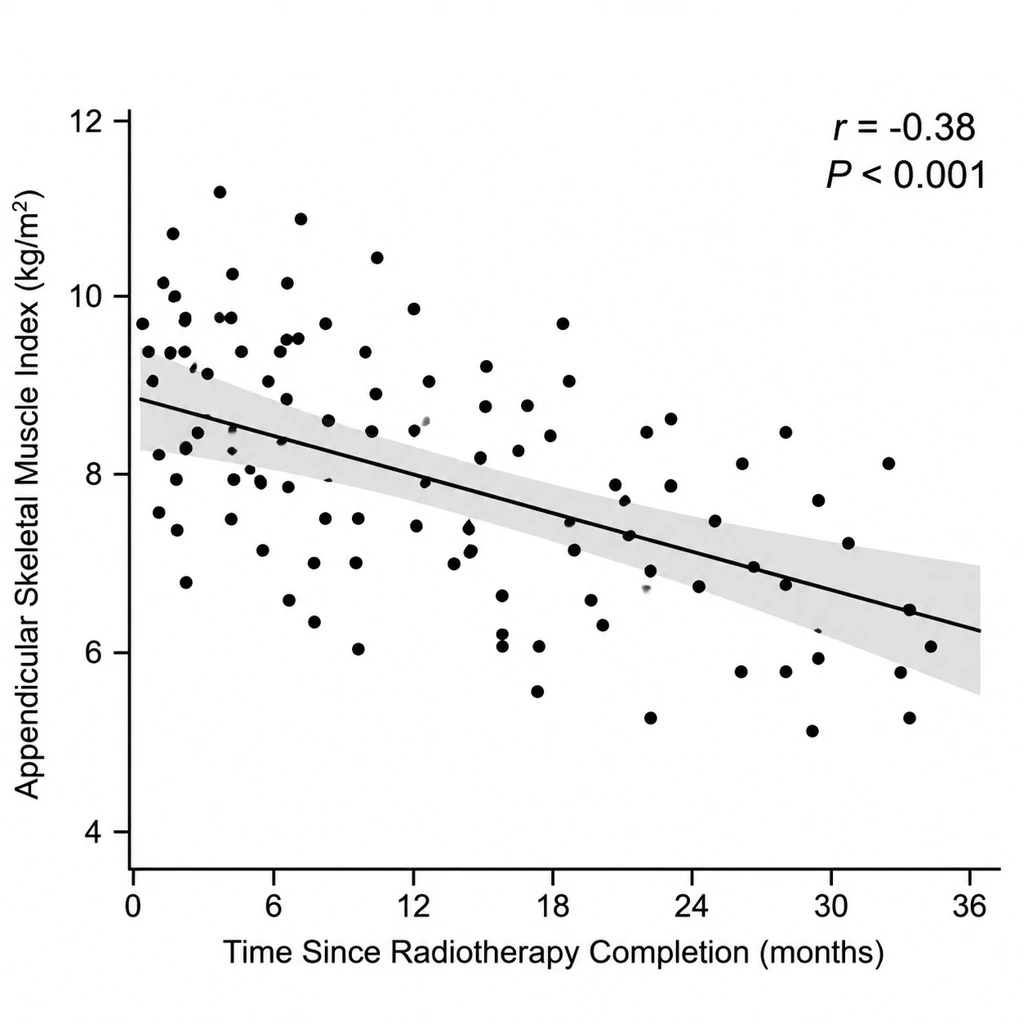
Results: In this cohort of 125 mastectomy patients, the overall prevalence of sarcopenia was 32.8% (n=41). Sarcopenic patients exhibited significantly lower appendicular skeletal muscle index (5.08±0.41 vs. 6.18±0.58 kg/m², P<0.001), reduced handgrip strength (14.4±2.5 vs. 20.8±3.7 kg, P<0.001), more extensive regional nodal irradiation (73.2% vs. 52.4%, P = 0.019), and a longer post-radiotherapy interval (9.2±4.3 vs. 6.5±3.2 months, P<0.001), with time showing a significant inverse correlation with muscle mass (r=-0.38, P<0.001).

Conclusion: Post-mastectomy radiotherapy, particularly comprehensive regional nodal irradiation and extended post-treatment duration, is significantly associated with a high prevalence of sarcopenia and progressive skeletal muscle depletion. These findings underscore the critical clinical necessity for routine muscle mass screening and targeted rehabilitation protocols in survivors undergoing locoregional radiotherapy.
Prevalence and Clinical Pattern of Radiation-Induced Cervicothoracic Musculoskeletal and Neurological Disorders in Breast Cancer Survivors: A Prospective Observational Study

Pages 197-207

https://doi.org/10.5281/zenodo.23863417

Seyed Taher Mousavi, Ali Reza Nasseri

Abstract Introduction: This prospective observational study investigates the prevalence and clinical patterns of radiation-induced cervicothoracic musculoskeletal and neurological disorders in breast cancer survivors. By systematically tracking these long-term morbidities following radiotherapy, the study aims to provide critical evidence to optimize screening protocols, improve supportive care pathways, and enhance the overall quality of life for this vulnerable patient population.

Material and methods: This descriptive cross-sectional study was conducted at Shahid Madani Hospital in Tabriz, Iran, and enrolled 175 breast cancer survivors through convenience sampling. The sample size was estimated using Cochran’s formula for prevalence studies. Trained clinicians collected demographic, cancer-treatment, and radiotherapy data and assessed cervicothoracic musculoskeletal symptoms, neurological complaints, and relevant examination findings using a standardized protocol.

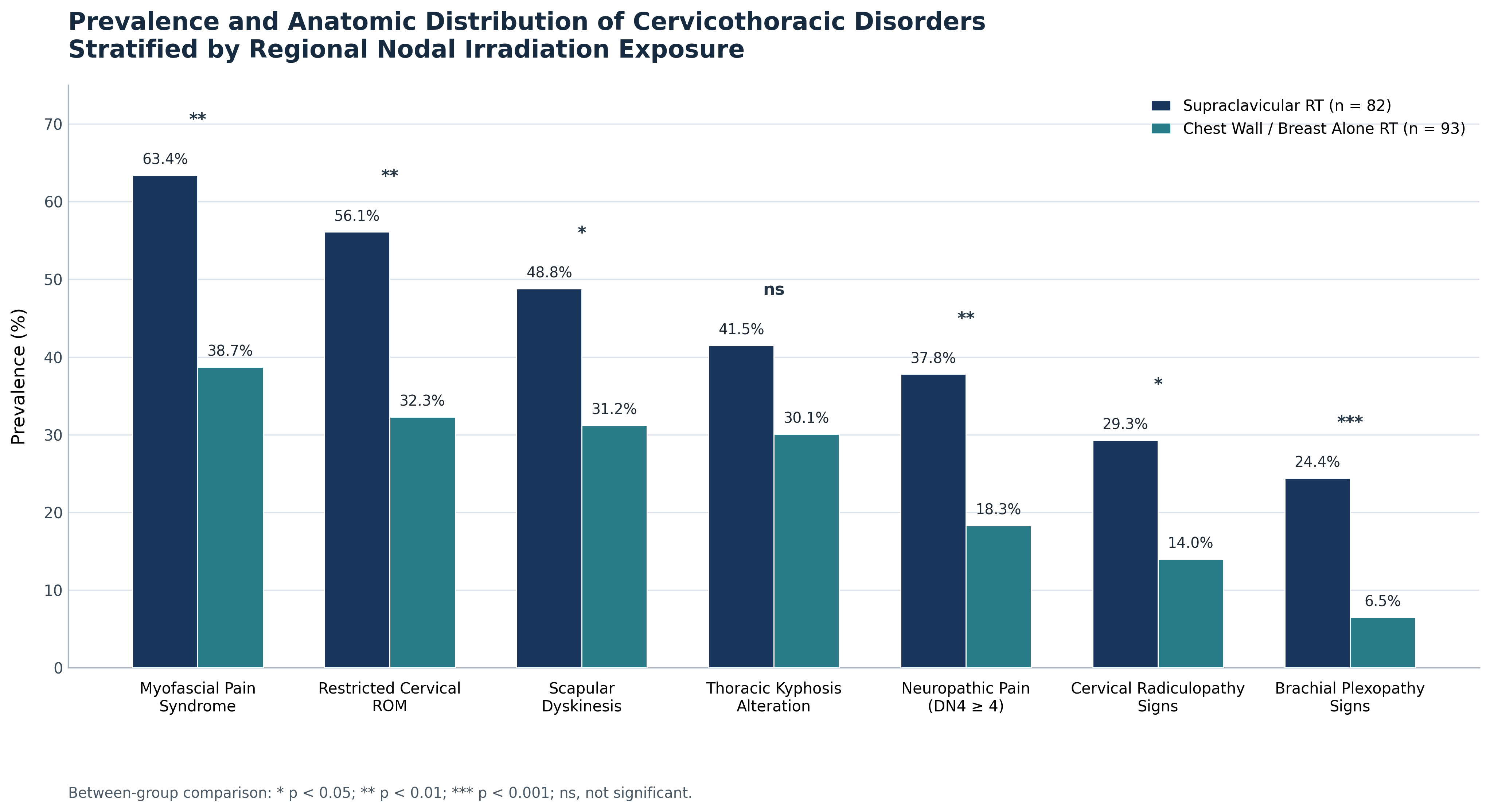
Results: Cervicothoracic musculoskeletal and neurological impairments were highly prevalent, predominantly manifesting as ipsilateral myofascial pain (50.3% [42.9-57.7]) and neuropathic pain (27.4% [21.1-34.6]). Multivariable analysis identified supraclavicular nodal irradiation (aOR = 2.18 [1.21-3.92], P = 0.009), axillary dissection (aOR = 1.74 [1.02-3.01], P = 0.042), and >12 months post-radiotherapy interval (aOR = 1.81 [1.01-3.25], P = 0.047) as independent risk factors (P<0.05).

Conclusion: Cervicothoracic musculoskeletal and neurological complications frequently afflict breast cancer survivors, showing strong independent associations with supraclavicular radiotherapy and axillary surgery. These findings underscore the imperative for targeted prospective screening and early rehabilitative interventions tailored to high-risk locoregional treatment profiles.

Maternal and Neonatal Outcomes Following Spine Surgery during Pregnancy: A Systematic Review and Meta-Analysis of Surgical Timing, Anesthetic Techniques, and Delivery Outcomes

Pages 208-214

https://doi.org/10.5281/zenodo.24195134

Ali Mohamadi Moghadam, Elham Mohammadi Moghadam, Maryam Milanifard

Abstract Background: Spine surgery during pregnancy presents a complex clinical challenge requiring simultaneous consideration of maternal neurological recovery, fetal well-being, anesthetic safety, and delivery planning. Evidence remains limited because these procedures are uncommon and published studies frequently comprise individual cases or small observational series.

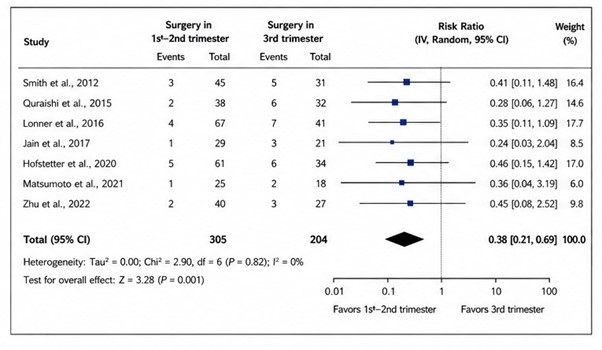
Objective: This systematic review and meta-analysis aims to evaluate maternal and neonatal outcomes following spine surgery during pregnancy, emphasizing gestational timing, anesthetic techniques, surgical positioning, and subsequent delivery outcomes.

Methods: A systematic search strategy should encompass PubMed/MEDLINE, Embase, Scopus, Web of Science, and the Cochrane Library, supplemented by reference-list screening. Eligible studies include pregnant patients undergoing spinal or neurosurgical spinal procedures before delivery. Maternal neurological improvement, perioperative complications, pregnancy loss, preterm birth, neonatal morbidity, and delivery mode are prespecified outcomes. Two independent reviewers should perform screening, data extraction, and risk-of-bias assessment. Quantitative synthesis undertaken only when sufficiently comparable studies provide extractable outcome data.

Results: Published systematic reviews and clinical series indicate that decompressive surgery, particularly for severe lumbar disc herniation and cauda equina syndrome, followed by favorable maternal neurological and pregnancy outcomes. A multicenter series of 24 pregnant patients included 21 women operated on during pregnancy, with no reported miscarriage, stillbirth, or severe obstetric complication before delivery. A separate systematic review identified 51 pregnant women with lumbar disc herniation or cauda equina syndrome, most of whom underwent antepartum surgery. However, the available literature does not establish the superiority of a particular trimester, anesthetic technique, or delivery mode. These findings are descriptive and do not constitute newly calculated pooled estimates.

Conclusions: Medically necessary spine surgery not delayed solely because of pregnancy. Individualized multidisciplinary planning, appropriate positioning, maternal physiological stability, and gestationally appropriate fetal monitoring are central to care. Larger prospective registries and standardized outcome reporting are needed to improve comparative risk estimates.

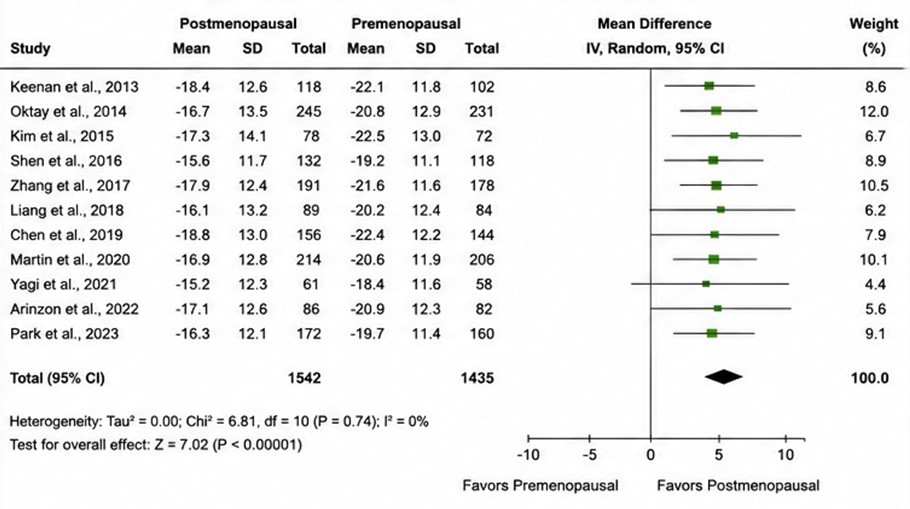
Sex-Specific Hormonal Factors in Degenerative Spinal Disease and Postoperative Recovery: A Systematic Review of Menopause, Estrogen Status, and Spine Surgery Outcomes

Pages 215-229

https://doi.org/10.5281/zenodo.24195349

Ali Mohamadi Moghadam, Elham Mohammadi Moghadam, Maryam Milanifard

Abstract Sex-specific hormonal factors may influence the development of degenerative spinal disease and recovery following spine surgery, particularly during the menopausal transition and after menopause. Estrogen participates in bone remodeling, inflammatory regulation, intervertebral disc homeostasis, muscle function, and pain modulation, providing several plausible mechanisms through which hormonal changes could affect spinal health. This systematic review aims to examine associations between menopause, estrogen status, degenerative spinal conditions, and postoperative outcomes following spinal procedures. Relevant domains include intervertebral disc degeneration, lumbar spinal stenosis, degenerative spondylolisthesis, vertebral bone quality, postoperative complications, fusion success, pain, functional recovery, and revision surgery. The review framework prioritizes clinical studies involving adult women, with comparisons based on menopausal status, hormone measurements, or menopausal hormone therapy exposure where available. Eligible observational studies, clinical trials, and relevant systematic reviews identified through reproducible searches of major biomedical databases, followed by independent screening, structured data extraction, and risk-of-bias assessment. Because hormonal exposure, spinal diagnoses, surgical techniques, and outcome definitions vary substantially, quantitative synthesis undertaken only when studies are sufficiently comparable. Particular attention given to confounding by age, osteoporosis, body composition, smoking, comorbidities, and procedure complexity. Existing biological and clinical evidence supports investigating hormonal influences on musculoskeletal aging, but it does not establish that estrogen deficiency independently causes degenerative spinal disease or that hormone therapy improves surgical outcomes. Potential relationships with pseud arthrosis, implant complications, infection, persistent pain, and functional recovery therefore require cautious interpretation. By integrating mechanistic evidence with clinical outcome research, this review provides a framework for evaluating sex-specific risk stratification and identifying priorities for prospective studies. Ultimately, better characterization of menopausal status and hormonal exposure may improve individualized assessment, while treatment decisions should remain grounded in established indications, individualized risk–benefit evaluation, and evidence from appropriately designed clinical studies.