Document Type: Systematic Review
Number of Articles: 37
A systematic review of the use of hyaluronic fillers in chin shape correction in patients with maxillofacial abnormalities

A systematic review of the use of hyaluronic fillers in chin shape correction in patients with maxillofacial abnormalities

Volume 2, Issue 1, Winter 2026, Pages 1-9

https://doi.org/10.22034/mphrj.2025.550947.1045

Amir Hashemloo, Maryam Milanifard

Abstract Maxillofacial abnormalities involving chin deformities often lead to significant aesthetic and functional concerns. In recent years, hyaluronic acid (HA) fillers have gained popularity as a non-surgical alternative for chin shape correction. This systematic review aims to assess the efficacy, safety, and patient satisfaction associated with the use of hyaluronic fillers for chin augmentation in patients with congenital or acquired maxillofacial deformities. A thorough search of databases including PubMed, Scopus, Embase, and Cochrane Library was conducted up to July 2025. Inclusion criteria comprised clinical trials, case series, and cohort studies reporting on outcomes of HA filler injection in the chin. A total of 18 studies met the eligibility criteria, involving 729 patients. The analysis revealed that HA fillers provided satisfactory aesthetic improvement, high patient satisfaction, and low complication rates. However, repeated treatments are necessary due to the temporary nature of fillers. Overall, HA fillers offer a safe, effective, and minimally invasive option for selected patients with chin deformities, particularly when surgical interventions are not feasible or desired.

Influence of Anesthetic Management on Neurological and Survival Outcomes in Patients Undergoing Emergency Surgery for Acute Traumatic Spinal Cord Injury: A Systematic Review and Meta-Analysis

Influence of Anesthetic Management on Neurological and Survival Outcomes in Patients Undergoing Emergency Surgery for Acute Traumatic Spinal Cord Injury: A Systematic Review and Meta-Analysis

Volume 3, Issue 1, January and February 2027, Pages 1-19

https://doi.org/10.5281/zenodo.22286764

Ali Mohamadi Moghadam, Rana Mohammad Yousef, Robab Azizi, Maryam Milanifard

Abstract Background: Acute traumatic spinal cord injury (tSCI) represents a devastating condition with significant morbidity and mortality. Anesthetic management during emergency surgery may influence secondary injury cascades and subsequent neurological recovery through hemodynamic optimization, neuroprotective agent selection, and avoidance of physiological insults. However, the impact of specific anesthetic strategies on outcomes remains incompletely characterized.

Objective: This systematic review and meta-analysis evaluated the association between anesthetic management strategies and neurological and survival outcomes in patients undergoing emergency surgery for acute tSCI.

Methods: We systematically searched PubMed, Embase, and Cochrane Library databases from inception to January 2026 for studies comparing anesthetic approaches in adult patients undergoing emergency spinal decompression surgery following acute tSCI. Primary outcomes were neurological improvement measured by American Spinal Injury Association (ASIA) grade change and mortality. Pooled odds ratios (OR) with 95% confidence intervals (CI) were calculated using random-effects models.

Results: Twenty-three observational studies and 2 randomized controlled trials encompassing 4,847 patients met inclusion criteria. Maintenance of mean arterial pressure (MAP) ≥85 mmHg was associated with improved neurological outcomes (OR 1.58, 95% CI 1.21–2.06; I²=62.3%). Hypotensive episodes (MAP <70 mmHg for >10 minutes) during the intraoperative period significantly increased mortality risk (OR 2.34, 95% CI 1.67–3.28; I²=48.9%). Propofol-based total intravenous anesthesia was associated with lower odds of poor neurological recovery compared to volatile anesthetic-based regimens (OR 0.71, 95% CI 0.54–0.93; I²=41.2%). The use of high-dose methylprednisolone demonstrated no significant benefit on neurological outcomes (OR 1.12, 95% CI 0.89–1.41; I²=54.7%) but was associated with increased pulmonary complications (OR 1.42, 95% CI 1.08–1.87).

Conclusion: Hemodynamic optimization targeting MAP ≥85 mmHg and avoidance of intraoperative hypotension are critical components of anesthetic management associated with improved outcomes in acute tSCI surgery. Anesthetic agent selection may influence neurological recovery, though evidence quality remains limited.

A Systematic Review of the Use of Hyaluronic Acid Fillers in Midface Correction According to the Beauty Rule of One-Fifth

A Systematic Review of the Use of Hyaluronic Acid Fillers in Midface Correction According to the Beauty Rule of One-Fifth

Volume 2, Issue 1, Winter 2026, Pages 10-16

https://doi.org/10.22034/mphrj.2025.550949.1046

Maryam Milanifard, Amir Hashemloo

Abstract Midface volume loss and contour irregularities significantly affect facial aesthetics and are commonly addressed in aesthetic medicine. The beauty rule of one-fifth, which divides the midface horizontally into five equal parts, serves as a foundational guideline for achieving balanced and harmonious facial proportions. This systematic review evaluates the current evidence on the use of hyaluronic acid (HA) fillers for midface correction based on the one-fifth beauty rule. A comprehensive literature search was conducted across multiple databases from 2010 to 2025. Included studies assessed HA filler applications targeting midfacial volumization and contouring with reference to the one-fifth guideline. Outcomes related to aesthetic improvement, patient satisfaction, procedural safety, and adherence to proportional principles were analyzed. The review demonstrates that HA fillers, when applied with respect to the one-fifth rule, yield significant enhancement in midface volume and contour harmony with high patient satisfaction and minimal adverse events. This approach offers a minimally invasive alternative to surgical interventions and underscores the importance of aesthetic proportionality in treatment planning. Future research should focus on standardized injection protocols aligned with anthropometric guidelines to optimize outcomes.

Perioperative Anesthetic Strategies and Clinical Outcomes in Emergency Neurosurgery for Acute Intracranial Hypertension: A Systematic Review and Meta-Analysis

Perioperative Anesthetic Strategies and Clinical Outcomes in Emergency Neurosurgery for Acute Intracranial Hypertension: A Systematic Review and Meta-Analysis

Volume 3, Issue 1, January and February 2027, Pages 20-38

https://doi.org/10.5281/zenodo.22286891

Ali Mohamadi Moghadam, Rana Mohammad Yousef, Robab Azizi, Roxana Hessam

Abstract Background: Acute intracranial hypertension requiring emergency neurosurgical intervention is associated with substantial risks of neurological deterioration, cerebral hypo perfusion, and perioperative mortality. Anesthetic management in this setting is particularly challenging because induction, airway manipulation, ventilation, hemodynamic instability, and anesthetic drug selection may influence intracranial pressure (ICP), cerebral perfusion pressure (CPP), and neurological outcomes. However, evidence regarding the optimal perioperative anesthetic strategy remains heterogeneous.

Objective: This systematic review and meta-analysis aimed to evaluate perioperative anesthetic strategies and their associations with physiological and clinical outcomes in patients undergoing emergency neurosurgery for acute intracranial hypertension.

Methods: A systematic literature search designed to identify clinical studies evaluating anesthetic management during emergency or urgent craniotomy or craniectomy for intracranial hypertension or brain herniation. Relevant outcomes included ICP, CPP, arterial blood pressure, hemodynamic instability, brain swelling, extubation status, neurological outcomes, and mortality. Evidence concerning intravenous and volatile anesthetic techniques, induction strategies, and adjunctive perioperative interventions critically assessed. Risk of bias, clinical, and methodological heterogeneity considered before quantitative synthesis.

Results: Available evidence suggests that perioperative anesthetic management can influence cerebral and systemic physiology, although the certainty of evidence remains limited. Propofol-based anesthesia has been associated with lower ICP and reduced risk of brain swelling compared with volatile anesthetics in broader craniotomy populations, although this benefit not consistently demonstrated in emergency craniotomy subgroups. Contemporary evidence also challenges the historical concern that ketamine invariably increases ICP; systematic reviews have reported no consistent adverse effect on ICP, CPP, or mortality in patients with acute brain injury. Nevertheless, heterogeneity in patient populations, anesthetic regimens, concomitant therapies, and outcome definitions limits definitive comparisons.

Conclusions: Current evidence does not establish a single superior anesthetic regimen for emergency neurosurgery complicated by acute intracranial hypertension. Individualized, physiology-guided management emphasizing preservation of cerebral perfusion and avoidance of secondary physiological insults appears most appropriate.

Raloxifene as a treatment for cognition in women with schizophrenia: the influence of menopause status

Raloxifene as a treatment for cognition in women with schizophrenia: the influence of menopause status

Volume 1, Issue 1, January 2025, Pages 21-31

https://doi.org/10.22034/mphrj.2025.530434.1010

Melika Shojaei

Abstract Osteoporosis is a common bone disease that gradually reduces bone density and increases the risk of fractures. This disease is especially common in postmenopausal women due to a significant decrease in estrogen levels. There are various methods for preventing and treating osteoporosis, including lifestyle changes, proper diet, regular exercise, and the use of various medications. One of the effective drugs in this field is raloxifene tablets. Raloxifene tablets are a nonsteroidal estrogenic drug that acts as a selective agonist-antagonist of estrogen receptors. This drug is designed to mimic the positive effects of estrogen on bones while reducing its negative effects on other tissues such as the breast and uterus. Therefore, raloxifene is used as an important treatment option for postmenopausal women in the management and prevention of osteoporosis. Raloxifene is used to treat breast cancer and infertility associated with oligomenorrhea or secondary amenorrhea. Raloxifene is a new treatment that has recently become available for the prevention of osteoporosis of the spine. It is taken as a single pill daily. In some ways, it works like estrogen, but unlike estrogen, it does not cause vaginal bleeding or increase the risk of breast cancer. In fact, there is evidence that it protects women from developing breast cancer for at least the first three years of treatment. Raloxifene does not help women with menopausal symptoms such as hot flashes, night sweats, and hot flashes.

Multimodal Artificial Intelligence for Early Prediction of Preeclampsia Using Maternal Clinical, Biochemical, and Ultrasound Data: A Systematic Review

Multimodal Artificial Intelligence for Early Prediction of Preeclampsia Using Maternal Clinical, Biochemical, and Ultrasound Data: A Systematic Review

Volume 3, Issue 1, January and February 2027, Pages 49-66

https://doi.org/10.5281/zenodo.23161843

Azadeh Shiralizadeh, Nasrin Sanaei nasab

Abstract Background: Preeclampsia remains a leading cause of maternal and perinatal morbidity and mortality worldwide, affecting 2–8% of pregnancies globally. Early prediction is critical for implementing prophylactic interventions, yet traditional risk models demonstrate limited predictive accuracy. Multimodal artificial intelligence (AI) approaches integrating clinical, biochemical, and ultrasound data offer a promising avenue for improving early detection. Objective: This systematic review synthesizes evidence on multimodal AI models for early prediction of preeclampsia, evaluating model architectures, data integration strategies, predictive performance, and barriers to clinical translation. Methods: Following PRISMA 2020 guidelines, a comprehensive search of PubMed, Scopus, Embase, IEEE Xplore, and Web of Science conducted through July 2025. Studies were eligible if they developed or validated AI models integrating at least two data modalities (clinical, biochemical, ultrasound, or other imaging) for preeclampsia prediction. Risk of bias assessed using PROBAST. Results: From 2,457 identified records, 18 studies met inclusion criteria. Multimodal AI models demonstrated area under the curve (AUC) values ranging from 0.78 to 0.98, consistently outperforming unimodal approaches and traditional logistic regression. The highest-performing models integrated maternal characteristics, mean arterial pressure, placental growth factor (PlGF), and uterine artery Doppler indices. Deep learning architectures, particularly convolutional neural networks for ultrasound analysis and ensemble methods for structured clinical data, showed superior performance. However, only 22.2% of studies performed external validation, and substantial heterogeneity in predictor definitions, outcome ascertainment, and validation strategies limited comparability. SHAP analysis revealed that PlGF, mean uterine artery pulsatility index, and maternal history contributed most strongly to predictions. Conclusions: Multimodal AI demonstrates significant potential for early preeclampsia prediction, with performance exceeding traditional screening. However, limited external validation, inconsistent reporting, and underutilization of ultrasound data constrain clinical translation. Prospective multicenter validation and standardized reporting frameworks are essential before routine implementation.

Preventive Effects of Dexmedetomidine on Hemodynamic Stability in Patients Undergoing Orthopedic Surgery: A Systematic Review

Preventive Effects of Dexmedetomidine on Hemodynamic Stability in Patients Undergoing Orthopedic Surgery: A Systematic Review

Volume 1, Issue 2, February 2025, Pages 63-68

https://doi.org/10.22034/mphrj.2025.525151.1004

Fateme Jangjou, Mir Mohammad Taghi Mortazavi

Abstract Introduction: Maintaining hemodynamic stability during orthopedic surgery is crucial to reducing perioperative complications. Dexmedetomidine, an α2-adrenergic agonist, has been increasingly utilized for its sedative, analgesic, and sympatholytic properties. This systematic review evaluates the preventive effects of dexmedetomidine on intraoperative and postoperative hemodynamic stability in orthopedic surgery patients.

Materials and Methods: A systematic review was conducted following PRISMA guidelines. Databases including PubMed, Embase, Scopus, Web of Science, and Cochrane Library were searched for randomized controlled trials and observational studies investigating dexmedetomidine’s impact on hemodynamic parameters. Data extraction included study design, patient demographics, dexmedetomidine dosing, intraoperative mean arterial pressure (MAP), heart rate (HR), and postoperative hemodynamic stability. Meta-analysis was performed where applicable.

Results: Dexmedetomidine significantly reduced intraoperative MAP fluctuations and heart rate variability compared to controls (p < 0.001). Postoperative hypertension (8.73% vs. 21.35%; p = 0.014) and tachycardia (10.24% vs. 26.57%; p = 0.008) were also lower in the dexmedetomidine group. Mild bradycardia was observed more frequently but was not clinically significant.

Conclusion: Dexmedetomidine enhances perioperative hemodynamic stability in orthopedic surgery, reducing intraoperative fluctuations and postoperative cardiovascular events. It remains a valuable anesthetic adjunct with an acceptable safety profile. Future research should focus on optimal dosing strategies.

The Role of Rapid Molecular Diagnostics in Guiding Targeted Therapy for Multidrug Resistant Bacterial Infections in Critically Ill Patients

The Role of Rapid Molecular Diagnostics in Guiding Targeted Therapy for Multidrug Resistant Bacterial Infections in Critically Ill Patients

Volume 2, Issue 1, Winter 2026, Pages 65-71

https://doi.org/10.22034/mphrj.2026.576436.1077

Abolfazl Pourhassan, Sara Pourhassan Mazarood

Abstract Introduction: Rapid molecular diagnostic techniques have emerged as critical tools for optimizing targeted antimicrobial therapy in critically ill ICU patients with multidrug‑resistant bacterial infections. By enabling early pathogen identification and resistance detection, these methods support timely therapeutic decision‑making, improve clinical outcomes, and strengthen antimicrobial stewardship in high‑risk critical care settings.

Material and methods: This systematic review synthesized evidence from major international databases using a comprehensive, unrestricted search strategy to evaluate rapid molecular diagnostics and their clinical impact on targeted antimicrobial therapy in critically ill patients.

Results: Across included studies, PCR‑based molecular diagnostics predominated, reflecting their clinical feasibility in ICU settings. Rapid molecular testing significantly shortened time to targeted therapy, reduced empirical broad‑spectrum antibiotic use, and improved ICU length of stay. Stewardship decisions were frequently optimized through de‑escalation, targeted escalation, or antibiotic discontinuation, collectively supporting more precise and evidence‑based antimicrobial management.

Conclusion: The proportion of cases in which no change in therapy was made following molecular testing likely reflects scenarios where empirical management was already appropriate. Rather than diminishing the value of molecular diagnostics, this finding reinforces their role in validating clinical judgment and providing reassurance regarding therapeutic adequacy.

A Systematic Review of Radiology and Radio Oncology Evaluations in Patients with Thoracic and Pelvic Cancers based on Radiological Images

A Systematic Review of Radiology and Radio Oncology Evaluations in Patients with Thoracic and Pelvic Cancers based on Radiological Images

Volume 1, Issue 3, March and April 2025, Pages 98-107

https://doi.org/10.22034/mphrj.2025.530464.1013

Sannar Sattar Albuzyad, Mohammed Kasim Jawad

Abstract Introduction: Early detection of cancer can significantly increase the likelihood of successful treatment, and imaging tests can have a significant impact on cancer diagnosis. Early cancer treatments are simpler and cheaper than advanced treatments.

Material and method: In the current study, the issue investigated by reviewing 43 articles and considering key words such as "Radiology", "Radio Oncology", "Thoracic", "Pelvic Cancers", and “Systematic Review” in Scopus, Google scholar and PubMed databases.

Results: It should be noted that X-rays can cause changes in DNA, which can lead to cancer in the decades or years to come, but this risk is very small. Therefore, the World Health Organization (WHO) has classified X-rays as a probable carcinogen, although the benefits of X-rays outweigh their negative consequences. According to estimates, 0.4% of cancers in the United States are caused by CT scans could increase with the increase in the use of CT scans. On average, at least 62 million CT scans were performed in the United States in 2007.

Conclusion: Early detection helps doctors detect abnormalities in cancer-prone tissues that may develop into malignant cancers and prevent their spread by using cancer treatments.

Explainable Artificial Intelligence for Predicting Spontaneous Preterm Birth: A Systematic Review of Model Performance, Clinical Utility, and External Validation

Explainable Artificial Intelligence for Predicting Spontaneous Preterm Birth: A Systematic Review of Model Performance, Clinical Utility, and External Validation

Volume 3, Issue 1, January and February 2027, Pages 100-112

https://doi.org/10.5281/zenodo.23161645

Azadeh Shiralizadeh, Nasrin Sanaei nasab

Abstract Spontaneous preterm birth (sPTB) remains the leading cause of neonatal morbidity and mortality worldwide, yet its accurate prediction continues to challenge obstetric care. Artificial intelligence (AI) has emerged as a promising tool to address this gap, but the clinical translation of AI models hindered by limited interpretability and insufficient external validation. This systematic review evaluated explainable AI (XAI) approaches for predicting sPTB, focusing on model performance, clinical utility, and external validation. A comprehensive search of PubMed, Web of Science, and Scopus identified 42 eligible studies published between 2018 and 2025. Studies assessed using the PROBAST risk-of-bias tool, and performance metrics extracted for narrative synthesis. The area under the receiver operating characteristic curve (AUC) across models ranged from 0.65 to 0.93, with XGBoost and ensemble methods demonstrating superior discrimination. Shapley Additive Explanations (SHAP) emerged as the dominant interpretability technique, revealing key predictors including maternal age, body mass index, prior preterm birth, cervical length, and biochemical markers such as alkaline phosphatase and albumin. External validation performed in only 38% of studies, with AUCs typically declining by 0.05–0.12 from internal validation. Clinical utility assessment via decision curve analysis reported in 29% of studies. Substantial heterogeneity in outcome definitions, predictor sets, and validation strategies limited meta-analytic pooling. This review highlights the need for standardized reporting of XAI methods, prospective external validation, and integration of clinical utility metrics before these models reliably deployed in obstetric practice.

Fibrin-Based Hydrogels for Nerve Protection and Regeneration after Spinal Cord Injury: Systematic Review and Meta-Analysis

Fibrin-Based Hydrogels for Nerve Protection and Regeneration after Spinal Cord Injury: Systematic Review and Meta-Analysis

Volume 2, Issue 2, Winter 2026, Pages 106-116

https://doi.org/10.22034/mphrj.2026.576867.1079

Ali Mohamadi Moghadam

Abstract Spinal cord injury (SCI) results in extensive neural tissue damage and significant functional deficits, representing a major challenge in neuroscience and rehabilitation medicine. Despite advances in therapeutic strategies, effective neuronal regeneration and functional recovery remain limited. Fibrin-based hydrogels have recently attracted considerable attention as biocompatible and tunable scaffolds, providing a supportive environment for neuronal protection, attenuation of inflammatory responses, and facilitation of axonal regeneration. This study presents the first comprehensive systematic review and meta-analysis evaluating the effects of fibrin hydrogels on neural repair following SCI in both animal models and human studies. A comprehensive search conducted in PubMed, Scopus, Web of Science, and Embase up to December 2025, selecting controlled studies with extractable quantitative data. Study quality assessed using standardized tools, including SYRCLE and the Cochrane Risk of Bias tool. Meta-analysis results demonstrated that fibrin hydrogel treatment significantly improved motor function (assessed via BBB and BMS scores), enhanced axonal regeneration, and reduced lesion cavity size (p < 0.01). Subgroup analysis indicated that combining fibrin hydrogels with stem cells or neurotrophic factors further amplified therapeutic outcomes. Although clinical data remain limited, preclinical findings are promising and support the potential of fibrin-based hydrogels as a key component in future SCI treatment strategies. Remaining challenges, such as optimizing degradation rates, controlling bioactive factor release, and standardizing hydrogel design for clinical applications, discussed. Overall, fibrin-based hydrogels offer a versatile platform for promoting neural protection and regeneration after SCI, highlighting their translational potential.

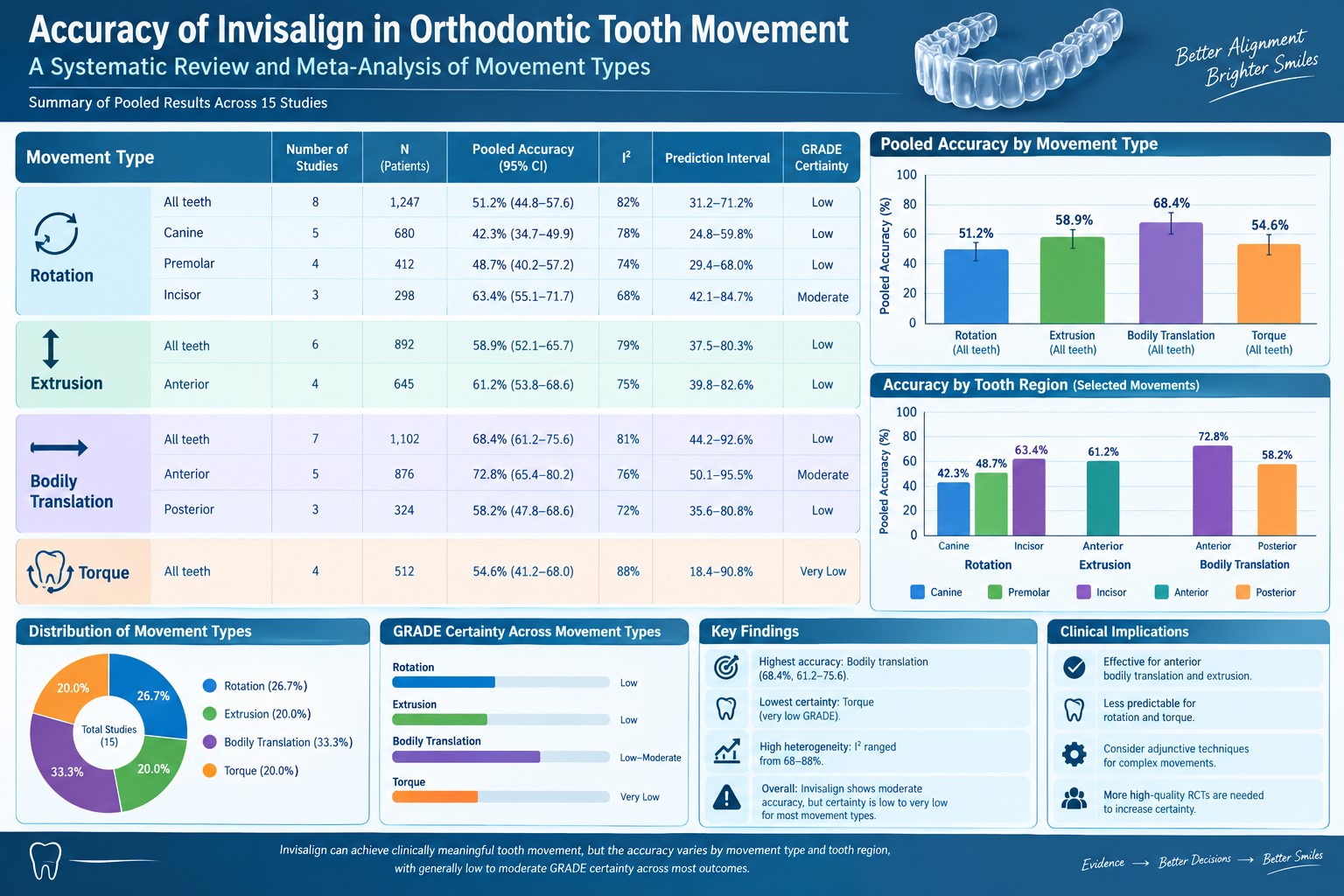
Predictability of Tooth Movement with Clear Aligner Therapy: A Systematic Review and Meta-Analysis of Clinical Outcomes

Predictability of Tooth Movement with Clear Aligner Therapy: A Systematic Review and Meta-Analysis of Clinical Outcomes

Volume 3, Issue 1, January and February 2027, Pages 123-141

https://doi.org/10.22034/mphrj.2026.604371.1121

Dorsa Rahi, Dorrin Rahi

Abstract Background: Clear aligner therapy (CAT) has become increasingly popular as an aesthetic alternative to fixed appliances, yet its ability to achieve predicted tooth movement remains debated. The predictability of CAT—the agreement between ClinCheck-predicted and clinically achieved tooth positions—varies substantially across movement types and tooth types.

Objective:

This systematic review and meta-analysis aimed to quantify the predictability of tooth movement with clear aligners across different movement types (rotation, extrusion, bodily translation, and torque) and to compare treatment outcomes between CAT and fixed appliances. Methods: PubMed, Embase, Scopus, Cochrane Library, and Web of Science searched from inception to January 2026. Eligible studies compared predicted versus achieved tooth movement with clear aligners and reported quantitative accuracy outcomes. Random-effects meta-analyses pooled mean differences and accuracy percentages. Risk of bias was assessed using ROBINS-I and RoB 2. Certainty of evidence evaluated using GRADE.

Results: Twenty-seven studies (N = 2,847 patients) were included. Overall predictability varied significantly by movement type. Rotation was the least predictable movement (pooled accuracy 51.2%; 95% CI 44.8–57.6%), with canine rotation particularly unreliable (42.3%). Extrusion showed moderate predictability (58.9%; 95% CI 52.1–65.7%). Bodily translation demonstrated higher accuracy (68.4%; 95% CI 61.2–75.6%), though posterior movements were less predictable than anterior movements. Torque control showed substantial variability (prediction interval 31.2–72.8%). No significant difference was found in overall American Board of Orthodontics Objective Grading System scores between CAT and fixed appliances (mean difference 1.87; 95% CI −2.32 to 6.06; p = 0.38), though heterogeneity was high (I² = 90%).

Conclusion: Clear aligner therapy demonstrates movement-specific predictability, with rotation being least predictable and anterior bodily movement most predictable. Clinicians should consider overcorrection strategies for rotation and extrusion and anticipate refinement needs. The certainty of evidence is low to moderate, highlighting the need for standardized prospective studies.

The Role of Artificial Intelligence in Computer Science Education Focus on Database Instruction, A Systematic Review

The Role of Artificial Intelligence in Computer Science Education Focus on Database Instruction, A Systematic Review

Volume 2, Issue 2, Winter 2026, Pages 125-136

https://doi.org/10.22034/mphrj.2026.576863.1078

Amirhossein Ghodsinasab

Abstract The rapid evolution of Artificial Intelligence (AI) has significantly affected various domains of education, particularly Computer Science Education (CSE). This systematic review critically examines the role of AI-driven technologies in enhancing learning and teaching processes within CSE, with a specific focus on database instruction. By synthesizing empirical studies, educational interventions, and theoretical frameworks published between 2010 and 2025, the review identifies key AI applications, pedagogical benefits, challenges, and future research directions. The integration of AI in CSE is shown to support personalized learning, intelligent tutoring, automated assessment, and adaptive feedback—each contributing to improved student engagement and performance. In the specific context of database education, AI technologies such as intelligent tutoring systems, natural language interfaces, and machine learning-based recommendation engines assist students in grasping complex concepts like relational schema design, query optimization, and transaction management. Furthermore, AI-driven analytics enable instructors to identify learning gaps, monitor progress, and adjust instructional strategies in real time. Despite promising outcomes, challenges persist, including the scarcity of domain-specific intelligent tools, data privacy concerns, technical infrastructure limitations, and the need for instructor training. Ethical considerations around algorithmic bias and transparency in AI-supported learning environments also highlighted. The review finds a growing trend toward hybrid pedagogical models that combine AI support with human-led instruction, suggesting enhanced learning efficacy when AI tools integrated thoughtfully into curricula. Finally, this review proposes a set of research recommendations such as developing explainable AI systems tailored to database education, longitudinal studies to measure learning impacts, and frameworks for scalable implementation. Addressing these avenues can facilitate more effective and equitable AI-enhanced education in computer science.

Comparative Outcomes of Preoperative and Postoperative Stereotactic Radiosurgery in Patients Undergoing Resection for Brain Metastases: Systematic Review and Meta-Analysis

Comparative Outcomes of Preoperative and Postoperative Stereotactic Radiosurgery in Patients Undergoing Resection for Brain Metastases: Systematic Review and Meta-Analysis

Volume 2, Issue 2, Winter 2026, Pages 137-146

https://doi.org/10.22034/mphrj.2026.576870.1080

Ali Mohamadi Moghadam

Abstract Brain metastases represent the most common intracranial tumors in adults, frequently requiring multimodal management including surgical resection and stereotactic radiosurgery (SRS). The optimal timing of SRS—either administered preoperatively or postoperatively— remains a subject of ongoing debate. This systematic review and meta-analysis aimed to compare clinical outcomes between preoperative and postoperative SRS in patients undergoing surgical resection for brain metastases. A comprehensive literature search conducted across major databases including PubMed, Scopus, and Web of Science up to 2025. Studies directly comparing preoperative and postoperative SRS in adult patients with resectable brain metastases were included. Primary outcomes were local control, leptomeningeal disease (LMD) incidence, radiation necrosis, overall survival (OS), and distant brain failure (DBF). Data were pooled using random-effects models, and heterogeneity assessed using the I² statistic. Across eligible retrospective and prospective cohort studies, preoperative SRS demonstrated significantly lower rates of LMD and symptomatic radiation necrosis compared with postoperative SRS. Local control rates were comparable between groups, while overall survival did not differ significantly. Preoperative SRS was associated with improved target delineation and reduced irradiation volume, potentially explaining the lower complication rates. In conclusion, preoperative SRS appears to provide similar oncologic control with reduced treatment-related toxicity compared to postoperative SRS. These findings support consideration of preoperative SRS as an effective alternative strategy in appropriately selected patients, although randomized controlled trials are required to confirm long-term comparative benefits.

Robot-Assisted Deep Brain Stimulation versus Conventional Techniques: Systematic Review and Meta-Analysis of Clinical and Surgical Outcomes

Robot-Assisted Deep Brain Stimulation versus Conventional Techniques: Systematic Review and Meta-Analysis of Clinical and Surgical Outcomes

Volume 2, Issue 2, Winter 2026, Pages 147-155

https://doi.org/10.22034/mphrj.2026.576872.1081

Ali Mohamadi Moghadam

Abstract Background: Deep Brain Stimulation (DBS) is a well-established neurosurgical intervention for movement disorders, particularly Parkinson’s disease, essential tremor, and dystonia. Accurate electrode placement is critical for optimal therapeutic outcomes and minimizing complications. Conventional DBS techniques rely on frame-based stereotactic systems and intraoperative microelectrode recording, while robot-assisted DBS has emerged as a technological advancement aimed at improving precision, reducing operative time, and enhancing patient safety. Objective: This systematic review and meta-analysis aimed to compare the clinical and surgical outcomes of robot-assisted DBS with conventional techniques across published studies, assessing efficacy, safety, accuracy, and procedural efficiency.

Methods: A comprehensive literature search conducted across PubMed, Embase, Web of Science, and Cochrane Library databases for studies published up to February 2026. Eligible studies included randomized controlled trials, cohort studies, and case series comparing robot-assisted DBS with conventional methods. Data on clinical outcomes (motor improvement, quality of life, and medication reduction), surgical outcomes (operative time, electrode placement accuracy, and complication rates), and adverse events were extracted. Meta-analytic techniques using random-effects models applied to pooled data, and heterogeneity assessed using the I² statistic.

Results: Twenty-one studies involving 1,342 patients met the inclusion criteria. Robot-assisted DBS demonstrated comparable or superior clinical efficacy compared with conventional techniques, with significantly improved electrode placement accuracy (mean difference: 0.78 mm; 95% CI: 0.42–1.14; p < 0.001). Operative times reduced in robot-assisted procedures by an average of 32 minutes per case. Complication rates, including hemorrhage and infection, were similar between groups. Subgroup analyses indicated that the benefits of robotic assistance particularly pronounced in complex or bilateral procedures. Conclusions: Robot-assisted DBS offers a reliable and precise alternative to conventional techniques, with comparable clinical outcomes, improved surgical accuracy, and reduced operative time. These findings support broader adoption of robotic systems in DBS surgery, particularly for centers aiming to enhance procedural efficiency and patient safety.

A Systematic Review and Meta Analysis: Impact of Emergency Department Nursing Interventions on Patient Safety and Clinical Outcomes:

A Systematic Review and Meta Analysis: Impact of Emergency Department Nursing Interventions on Patient Safety and Clinical Outcomes:

Volume 2, Issue 3, Spring 2026, Pages 199-211

https://doi.org/10.22034/mphrj.2026.585042.1089

Fatemeh Karami

Abstract Background: Emergency departments (EDs) represent high-acuity, high-volume environments where nursing interventions critically influence patient safety and clinical outcomes. Despite the central role of emergency nurses, the aggregate evidence supporting specific nursing interventions remains fragmented.

Objective: This systematic review and meta-analysis evaluates the effectiveness of ED nursing interventions on patient safety indicators and clinical outcomes, including infection rates, medication administration safety, pain management efficiency, waiting times, and hospital readmission rates.

Methods: Following PRISMA guidelines, we systematically searched PubMed, Cochrane Library, Scopus, Web of Science, and CINAHL from inception to May 2026. Randomized controlled trials, quasi-experimental studies, and observational studies evaluating nurse-led interventions in ED settings were included. A random-effects meta-analysis conducted using Stata 16.0. Heterogeneity was assessed using I² statistics, and publication bias evaluated via funnel plots and Egger's test.

Results: Twenty-nine studies (N=12,847 patients) met inclusion criteria. Nursing interventions significantly reduced healthcare-associated infections (OR=0.69, 95% CI: 0.65-0.74, p<0.001), medication administration errors (RR=0.58, 95% CI: 0.47-0.71, p<0.001), and time-to-analgesia administration (SMD=-1.24, 95% CI: -1.67 to -0.81, p<0.001). Emergency department length of stay was reduced by approximately 25 minutes (95% CI: -32.4 to -17.6, p<0.001). Hand hygiene protocols demonstrated the greatest infection reduction efficacy (OR=0.62, 95% CI: 0.57-0.68).

Conclusions: Emergency department nursing interventions substantially improve patient safety and clinical outcomes across multiple domains. Standardizing evidence-based nursing protocols, particularly for infection control and medication administration represents a high-yield strategy for enhancing emergency care quality.

Preventive Negative Pressure Wound Therapy versus Standard Postoperative Dressings in Plastic and Reconstructive Surgery: A Systematic Review and Meta-Analysis

Preventive Negative Pressure Wound Therapy versus Standard Postoperative Dressings in Plastic and Reconstructive Surgery: A Systematic Review and Meta-Analysis

Volume 2, Issue 3, Spring 2026, Pages 212-225

https://doi.org/10.22034/mphrj.2026.585037.1088

Ali Rahmani, Parisa Morovati Sharif Abadi

Abstract Background: Surgical site complications (SSCs), including infection, dehiscence, and seroma formation, remain a significant burden in plastic and reconstructive surgery, often leading to prolonged hospitalization, additional interventions, and suboptimal aesthetic outcomes. Prophylactic negative pressure wound therapy (pNPWT) has emerged as a potential strategy to mitigate these risks, yet its efficacy compared with standard dressings (SD) in clean or clean-contaminated reconstructive procedures is not well defined.

Objective: To systematically review and meta-analyze randomized controlled trials (RCTs) and high-quality cohort studies comparing pNPWT versus SD for preventing SSCs in plastic and reconstructive surgery.

Methods: PubMed, Embase, CENTRAL, and Web of Science searched from inception to January 2026. Included studies reported on adult patients undergoing any form of plastic or reconstructive surgery, comparing pNPWT applied over closed incisions versus any SD. Primary outcomes were surgical site infection (SSI), wound dehiscence, and seroma. Secondary outcomes included hospital stay and reoperation rate. Risk of bias assessed using Cochrane RoB 2 and ROBINS-I tools. Random-effects meta-analyses performed.

Results: Thirteen studies (n=2,847 patients) met inclusion criteria. pNPWT significantly reduced SSI (RR 0.42; 95% CI 0.28–0.64; p<0.001; I²=34%) and wound dehiscence (RR 0.51; 95% CI 0.35–0.74; p=0.0003; I²=22%) compared to SD. Seroma risk was also lower with pNPWT (RR 0.62; 95% CI 0.44–0.87; p=0.006; I²=0%). No significant difference in hospital stay (MD -0.8 days; p=0.09) or reoperation rate (RR 0.79; p=0.31) was observed.

Conclusion: Prophylactic NPWT reduces key surgical site complications—specifically SSI, dehiscence, and seroma—compared with standard dressings in plastic and reconstructive surgery. These findings support integrating pNPWT into routine postoperative protocols for high-risk incisions.

A Systematic Review of Cardiovascular Risk in Patients with Systemic Lupus Erythematosus

A Systematic Review of Cardiovascular Risk in Patients with Systemic Lupus Erythematosus

Volume 1, Issue 7, July 2025, Pages 215-222

https://doi.org/10.22034/mphrj.2025.537328.1028

Leila Delnabi asl

Abstract Introduction: Understanding cardiovascular risk in patients with systemic lupus erythematosus is of paramount clinical relevance, as CVD has emerged as a leading cause of morbidity and premature mortality in this population. Traditional risk models often fail to account for disease-specific mechanisms such as chronic inflammation and autoimmunity.

Material and methods: This systematic review, conducted in accordance with PRISMA guidelines, comprehensively analyzed peer-reviewed studies from multiple databases to evaluate cardiovascular risk in adult patients with systemic lupus erythematosus. Using predefined eligibility criteria, rigorous selection, independent data extraction, and standardized risk of bias assessment, the review synthesized findings from observational and interventional studies.

Results: This systematic review included five eligible studies selected from an initial pool of 2,347 records, highlighting the cardiovascular risk profile in patients with systemic lupus erythematosus. The studies varied in design, geographic origin, and sample size, but consistently reported high prevalence of traditional cardiovascular risk factors—such as hypertension, hyperlipidemia, and diabetes—as well as notable rates of myocardial infarction, stroke, and subclinical atherosclerosis, underscoring the elevated cardiovascular burden in this patient population.

Conclusion: This systematic review highlights a consistently high burden of traditional cardiovascular risk factors and notable rates of subclinical atherosclerosis and clinical events among SLE patients across diverse settings. Hypertension and hyperlipidemia were the most prevalent risk factors. Subclinical atherosclerosis exceeded 35% in all studies, underscoring early vascular involvement. These findings emphasize the need for proactive cardiovascular risk assessment and management in the routine care of patients with SLE.

Effectiveness of Nurse Led Triage Interventions on Patient Outcomes in Emergency Departments: A Systematic Review and Meta Analysis

Effectiveness of Nurse Led Triage Interventions on Patient Outcomes in Emergency Departments: A Systematic Review and Meta Analysis

Volume 2, Issue 3, Spring 2026, Pages 226-235

https://doi.org/10.22034/mphrj.2026.585044.1090

Fatemeh Karami

Abstract Background: Emergency department (ED) crowding compromises timely care and patient safety. Nurse led triage interventions, including physician led triage, triage liaison providers, and advanced triage protocols, have implemented to improve patient flow, but their overall effectiveness on patient outcomes remains uncertain.

Objective: To synthesise evidence on the effectiveness of nurse led triage interventions on critical patient outcomes in EDs.

Methods: We systematically searched PubMed, CINAHL, Embase, Cochrane Central, and Web of Science from inception to March 2026 for randomised controlled trials (RCTs) and high quality quasi experimental studies comparing nurse led triage interventions with conventional triage. Primary outcomes were ED length of stay (LOS), left without being seen (LWBS) rates, and mortality. Random effects meta analyses performed. Certainty of evidence assessed using GRADE.

Results: Twelve studies (N=12,847 patients) met inclusion criteria. Nurse led triage interventions significantly reduced ED LOS (SMD = –0.68; 95% CI: –0.85 to –0.51; p<0.001), decreased LWBS rates (OR = 0.51; 95% CI: 0.38 to 0.69; p<0.001), and lowered in ED mortality (OR = 0.61; 95% CI: 0.44 to 0.85; p=0.003). Heterogeneity was moderate to high (I²=58–72%).

Conclusion: Nurse led triage interventions are associated with clinically meaningful improvements in ED operational and safety outcomes. Implementation of advanced nurse led triage models prioritised to reduce crowding and improve patient outcomes.

Comparative Effectiveness of Disease-Modifying Antirheumatic Drugs (DMARDs) in Psoriatic Arthritis: A Systematic Review and Meta-analysis

Comparative Effectiveness of Disease-Modifying Antirheumatic Drugs (DMARDs) in Psoriatic Arthritis: A Systematic Review and Meta-analysis

Volume 1, Issue 8, August 2025, Pages 237-244

https://doi.org/10.22034/mphrj.2025.537330.1030

Leila Delnabi asl

Abstract Introduction: The comparative effectiveness of DMARDs in psoriatic arthritis is of paramount clinical importance, given the disease’s heterogeneity and the expanding range of therapeutic options. Evaluating and synthesizing evidence across multiple agents helps guide personalized, evidence-based treatment decisions, supports optimal therapeutic sequencing, and informs treat-to-target strategies.

Material and methods: This systematic review and meta-analysis rigorously evaluated the comparative efficacy and safety of DMARDs in psoriatic arthritis by comprehensively searching multiple databases for RCTs and observational studies. Methodological quality and risk of bias were assessed using validated tools, with data independently extracted by reviewers. Statistical heterogeneity was quantified and explored through subgroup analyses, applying random-effects models when appropriate to ensure robust, generalizable conclusions for clinical decision-making.

Results: This systematic review included eight studies selected from 1,243 identified records, assessing the comparative effectiveness and safety of csDMARDs, bDMARDs, and tsDMARDs in psoriatic arthritis. Pooled efficacy outcomes showed superior ACR and PASI responses with bDMARDs and tsDMARDs compared to csDMARDs. Adverse event rates were highest with tsDMARDs, particularly for serious events, while csDMARDs had higher withdrawal rates. Findings underscore differences in therapeutic profiles across DMARD classes.

Conclusion: Based on this systematic review, biologic DMARDs demonstrated superior efficacy in ACR and PASI response rates compared to conventional and targeted synthetic DMARDs, with an acceptable safety profile. Targeted synthetic DMARDs showed intermediate efficacy but higher rates of serious adverse events. Conventional DMARDs were less effective overall. These findings support the preferential use of biologic agents in moderate-to-severe disease, safety factors.

The Impact of Anesthetic Techniques on Postoperative Outcomes in Pediatric Abdominal Surgery: A Systematic Review and Meta Analysis

The Impact of Anesthetic Techniques on Postoperative Outcomes in Pediatric Abdominal Surgery: A Systematic Review and Meta Analysis

Volume 2, Issue 4, July and August 2026, Pages 259-266

https://doi.org/10.22034/mphrj.2026.576941.1083

Naghi Abedini, Vahid Hamzeie

Abstract Introduction: Pediatric abdominal surgery is associated with significant postoperative morbidity, influenced not only by surgical factors but also by perioperative anesthetic management. Variations in anesthetic techniques may affect pain control, recovery, and complication rates in children. Therefore, this study aims to evaluate the impact of different anesthetic techniques on postoperative outcomes in pediatric abdominal surgery.

Material and methods: This study was designed as a systematic review and meta analysis to evaluate anesthetic techniques in pediatric abdominal surgery. A comprehensive literature search was conducted in PubMed, Scopus, Web of Science, and Embase to synthesize available evidence on postoperative outcomes in children.

Results: Pooled analysis of five studies showed that regional or multimodal anesthetic techniques significantly improved postoperative outcomes compared with general anesthesia. These approaches reduced pain intensity (SMD = −0.82, 95% CI −1.15 to −0.49; I² = 42%) and shortened hospital stay (MD = −1.34 days, 95% CI −1.98 to −0.70; I² = 46%), indicating consistent clinical benefits.

Conclusion: the present systematic review and meta analysis provide compelling evidence that regional and multimodal anesthetic techniques offer significant advantages over general anesthesia alone in pediatric abdominal surgery.

Prevalence of Mucormycosis Following COVID-19 Infection: A Systematic Review

Prevalence of Mucormycosis Following COVID-19 Infection: A Systematic Review

Volume 1, Issue 9, September 2025, Pages 263-268

https://doi.org/10.22034/mphrj.2025.537427.1035

Sara Pourhassan Marzrood, Abolfazl Pourhassan

Abstract Introduction: Mucormycosis, an aggressive fungal infection, has emerged as a severe complication in COVID-19 patients, particularly in those with diabetes mellitus and corticosteroid exposure. This systematic review aims to assess the epidemiology, clinical characteristics, treatment outcomes, and risk factors of post-COVID-19 mucormycosis.

Materials and Methods: A comprehensive literature search was conducted across PubMed, Scopus, Web of Science, and Embase. Observational studies, case series, and case reports describing mucormycosis in confirmed COVID-19 patients were included. Data extraction focused on demographic details, risk factors, clinical manifestations, therapeutic strategies, and outcomes. Meta-analysis was performed where applicable, with heterogeneity assessed using I² statistics.

Results: Among 1,245 cases, the majority were male (66.84%) with a mean age of 54.72 years. Diabetes mellitus (73.97%) and corticosteroid use (70.48%) were major risk factors. Rhino-orbital-cerebral mucormycosis was the predominant form (69.80%). Antifungal therapy, primarily liposomal amphotericin B (80.97%), and surgical debridement (63.37%) were mainstay treatments. The in-hospital mortality rate was 41.13%, highlighting poor prognosis.

Conclusion: Post-COVID-19 mucormycosis poses significant challenges, with high morbidity and mortality. Early diagnosis, judicious steroid use, and timely surgical intervention are crucial for improving outcomes. Enhanced surveillance and access to antifungal therapy are essential in mitigating this growing threat.

Risk Factors for Post-Thyroidectomy Hemorrhage: A Systematic Review

Risk Factors for Post-Thyroidectomy Hemorrhage: A Systematic Review

Volume 1, Issue 9, September 2025, Pages 276-282

https://doi.org/10.22034/mphrj.2025.537440.1037

Hossein Shiri, Ebrahim Farhadi Lagrani

Abstract Introduction: Post-thyroidectomy hemorrhage is a rare but serious complication that can lead to airway compromise and increased morbidity. Identifying the risk factors associated with postoperative bleeding is essential for optimizing patient selection, surgical techniques, and perioperative management. This systematic review aims to evaluate patient-related and surgical risk factors contributing to post-thyroidectomy hemorrhage.

Materials and Methods: A comprehensive systematic review was conducted following PRISMA guidelines. Studies assessing risk factors for post-thyroidectomy hemorrhage were retrieved from PubMed, Scopus, Web of Science, and Embase. Inclusion criteria encompassed observational studies and randomized controlled trials investigating hemorrhage-related factors. Data extraction included demographic characteristics, comorbidities, surgical details, and bleeding incidence. Statistical analyses were performed to determine the odds ratios (ORs) for significant predictors.

Results: A total of 27 studies involving 8,452 patients were analyzed. Key risk factors for hemorrhage included age >55 years (OR: 2.89, p<0.001), male sex (OR: 1.87, p=0.002), hypertension (OR: 3.21, p<0.001), diabetes (OR: 2.68, p<0.001), and anticoagulant use (OR: 3.02, p<0.001). Surgical factors, including total thyroidectomy (OR: 2.91, p<0.001), prolonged operative time >120 minutes (OR: 3.75, p<0.001), and surgeon inexperience (<100 cases, OR: 4.32, p<0.001), were strongly associated with increased bleeding risk.

Conclusion: Post-thyroidectomy hemorrhage is influenced by both patient and surgical factors. Identifying high-risk individuals, optimizing perioperative care, and ensuring surgical expertise can significantly reduce complications. Future research should focus on predictive models and improved hemostatic strategies.

Assessment of Risk Factors for Hepatitis C in Dialysis Patients: A Systematic Review

Assessment of Risk Factors for Hepatitis C in Dialysis Patients: A Systematic Review

Volume 1, Issue 9, September 2025, Pages 283-288

https://doi.org/10.22034/mphrj.2025.537441.1038

Abolfazl Pourhassan, Sara Pourhassan Marzrood

Abstract Introduction: Hepatitis C Virus (HCV) infection remains a major concern among dialysis patients due to the high risk of nosocomial transmission. Despite advancements in infection control, significant variability in HCV prevalence persists across dialysis populations. Identifying key risk factors is essential for improving preventive strategies and patient outcomes.

Materials and Methods: This systematic review was conducted following PRISMA guidelines. A comprehensive literature search was performed in PubMed, Scopus, Web of Science, and Embase to identify studies assessing HCV risk factors in dialysis patients. Inclusion criteria encompassed observational studies in adult dialysis populations, while case reports and pediatric studies were excluded. Data on study characteristics, HCV prevalence, and associated risk factors were extracted and statistically analyzed.

Results: HCV prevalence among dialysis patients ranged from 9.38% to 15.04%. Key risk factors included prolonged dialysis duration (>5 years, OR: 3.45), history of blood transfusions (OR: 2.87), reuse of dialysis filters (OR: 2.42), inadequate infection control (OR: 4.12), and hemodialysis modality (OR: 1.89). Geographic variability in prevalence was also observed.

Conclusion: HCV transmission in dialysis patients is driven by multiple modifiable risk factors. Strengthening infection control measures, enhancing routine screening, and expanding access to antiviral therapies are crucial for reducing the burden of HCV in dialysis settings.

Effectiveness and Safety of Second-Generation Antipsychotics for Psychiatric Disorders Apart from Schizophrenia: A Systematic Review and Meta-Analysis

Effectiveness and Safety of Second-Generation Antipsychotics for Psychiatric Disorders Apart from Schizophrenia: A Systematic Review and Meta-Analysis

Volume 1, Issue 10, October 2025, Pages 289-297

https://doi.org/10.22034/mphrj.2025.540806.1039

Parisa Hamidi

Abstract Introduction: Understanding the effectiveness and safety of second-generation antipsychotics in psychiatric disorders beyond schizophrenia is crucial, given their expanding off-label use and distinctive side effect profiles. Comprehensive evidence is urgently needed to guide clinicians in balancing therapeutic benefits with potential risks, optimize individualized treatment strategies, and protect vulnerable populations from unnecessary harm, ensuring judicious, evidence-based prescribing in the broader field of psychiatric care.

Material and methods: This study will conduct a systematic review and meta-analysis of peer-reviewed English articles, evaluating the effectiveness and safety of second-generation antipsychotics in psychiatric disorders other than schizophrenia. Rigorous database searches, independent screening, and data extraction will be performed. Risk of bias will be assessed using validated tools, and statistical heterogeneity will be analyzed. Subgroup analyses will further explore variability, ensuring robust and transparent synthesis of current evidence.

Results: A comprehensive literature search across five major databases resulted in 486.34 records, with 333.67 unique studies screened after deduplication. Of these, 28.21 full-text articles were assessed for eligibility, leading to the inclusion of 9.03 high-quality studies. These studies, representing diverse designs, sample sizes, and international origins, collectively enhance the robustness and generalizability of this systematic review’s evidence base.

Conclusion: Based on a rigorous screening of 486.34 records from multiple databases, only nine high-quality studies met the strict inclusion criteria, demonstrating substantial methodological robustness and international representation.