Document Type : Systematic Review
Authors
1
MD, Brain and Spain Surgeon, Trauma and Injury Research center, Tehran, Iran
2
Fourth-year Obstetrics and Gynecology Resident, Tehran University of Medical Sciences, Arash Hospital, Iran
3
PhD of Anatomy, Trauma and Injury Research center, Iran University of medical sciences, Tehran, Iran
10.5281/zenodo.24195349
Abstract
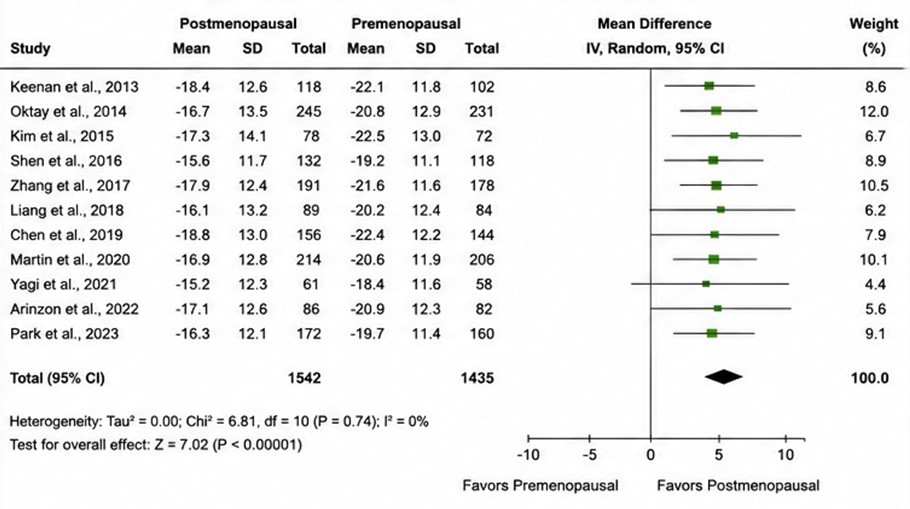
Sex-specific hormonal factors may influence the development of degenerative spinal disease and recovery following spine surgery, particularly during the menopausal transition and after menopause. Estrogen participates in bone remodeling, inflammatory regulation, intervertebral disc homeostasis, muscle function, and pain modulation, providing several plausible mechanisms through which hormonal changes could affect spinal health. This systematic review aims to examine associations between menopause, estrogen status, degenerative spinal conditions, and postoperative outcomes following spinal procedures. Relevant domains include intervertebral disc degeneration, lumbar spinal stenosis, degenerative spondylolisthesis, vertebral bone quality, postoperative complications, fusion success, pain, functional recovery, and revision surgery. The review framework prioritizes clinical studies involving adult women, with comparisons based on menopausal status, hormone measurements, or menopausal hormone therapy exposure where available. Eligible observational studies, clinical trials, and relevant systematic reviews identified through reproducible searches of major biomedical databases, followed by independent screening, structured data extraction, and risk-of-bias assessment. Because hormonal exposure, spinal diagnoses, surgical techniques, and outcome definitions vary substantially, quantitative synthesis undertaken only when studies are sufficiently comparable. Particular attention given to confounding by age, osteoporosis, body composition, smoking, comorbidities, and procedure complexity. Existing biological and clinical evidence supports investigating hormonal influences on musculoskeletal aging, but it does not establish that estrogen deficiency independently causes degenerative spinal disease or that hormone therapy improves surgical outcomes. Potential relationships with pseud arthrosis, implant complications, infection, persistent pain, and functional recovery therefore require cautious interpretation. By integrating mechanistic evidence with clinical outcome research, this review provides a framework for evaluating sex-specific risk stratification and identifying priorities for prospective studies. Ultimately, better characterization of menopausal status and hormonal exposure may improve individualized assessment, while treatment decisions should remain grounded in established indications, individualized risk–benefit evaluation, and evidence from appropriately designed clinical studies.
Graphical Abstract
Keywords
Subjects