CHA₂DS₂ VASc, anticoagulation, echocardiographic, thrombosis
Volume 2, Issue 1, Winter 2026, Pages 17-25
https://doi.org/10.22034/mphrj.2026.572645.1058
Kamran Mohammadi
Abstract Introduction: Mechanical prosthetic valve thrombosis is a life threatening complication associated with substantial in hospital mortality, and early prognostic stratification remains clinically challenging. Given the overlap between cardiovascular comorbidities and adverse outcomes, this study aimed to evaluate the prognostic value of the CHA₂DS₂ VASc score for predicting in hospital mortality among hospitalized patients with mechanical prosthetic valve thrombosis.
Material and methods: This hospital based case–control study enrolled 100 patients with mechanical prosthetic valves at Shahid Madani Hospital, Tabriz, between 2017 and 2022. Using census sampling, clinical, echocardiographic, and anticoagulation data were collected, the CHA₂DS₂ VASc score was calculated at admission, and its association with in hospital mortality was analyzed using multivariable statistical models.
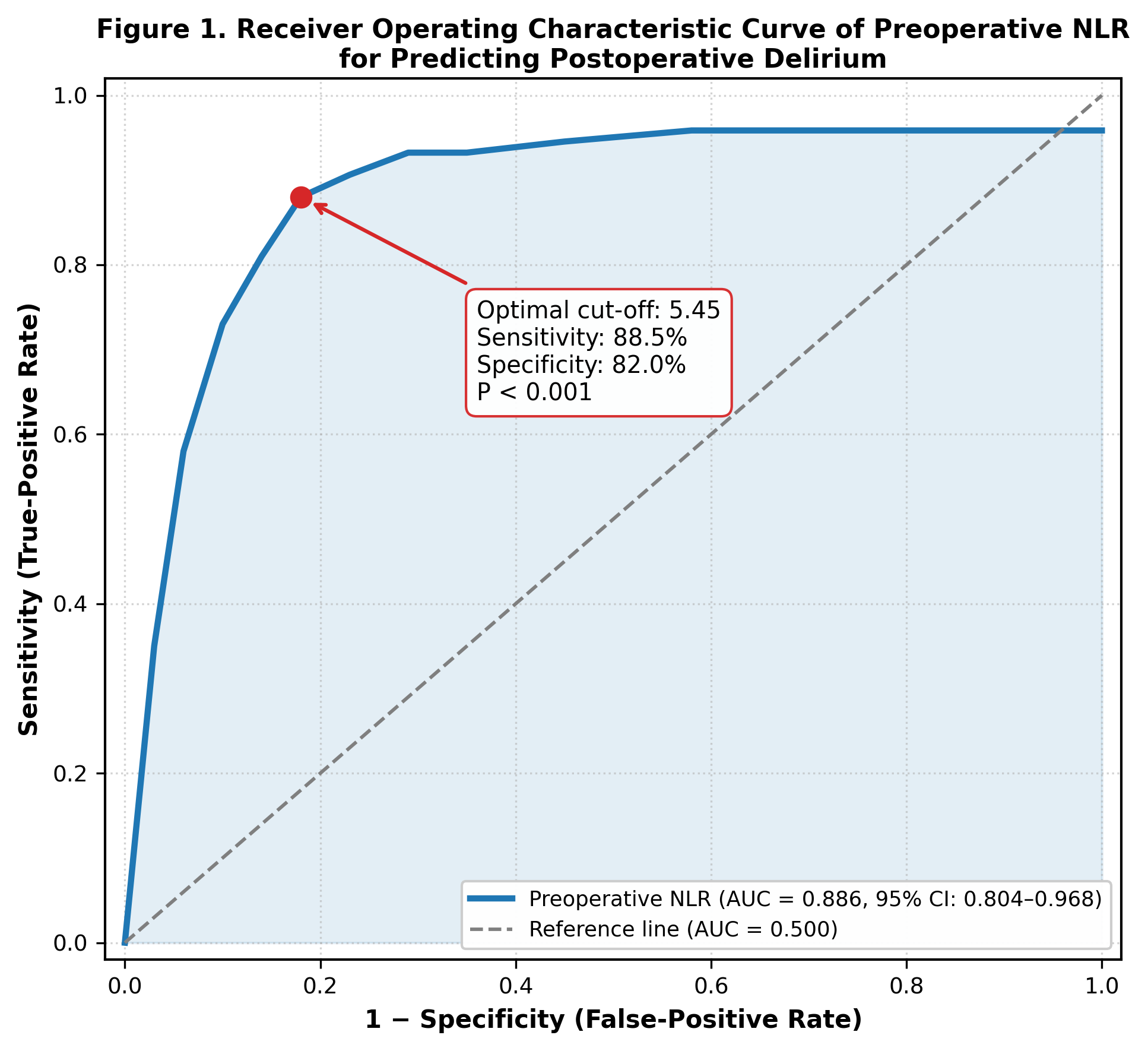
Results: Baseline characteristics were comparable between patients with and without thrombosis, indicating a well-balanced study population. The CHA₂DS₂‑VASc score did not differ significantly between thrombotic and non‑thrombotic groups (P = 0.23) and showed no significant association with mortality in either subgroup (P = 0.461 and P = 0.127). ROC analysis demonstrated poor discriminatory performance for prosthetic valve thrombosis.
Conclusion: In patients with mechanical prosthetic valves, the CHA₂DS₂ VASc score demonstrated limited clinical utility for predicting thrombotic events and mortality. Despite its established role in thromboembolic risk stratification for atrial fibrillation, the score failed to effectively discriminate patients at risk for prosthetic valve thrombosis or adverse survival outcomes.