Document Type : Systematic Review
Authors
1
MD, Brain and Spain Surgeon, Trauma and Injury Research center, Tehran, Iran
2
Fourth-year Obstetrics and Gynecology Resident, Tehran University of Medical Sciences, Arash Hospital, Iran
3
PhD of Anatomy, Trauma and Injury Research center, Iran University of medical sciences, Tehran, Iran
10.5281/zenodo.24199154
Abstract
Background: Chronic pelvic pain (CPP) and pelvic floor dysfunction are prevalent, complex conditions in women that may coexist with lumbar spine disorders. Although these conditions frequently evaluated separately, shared neural pathways, musculoskeletal interactions, and central pain-processing mechanisms may contribute to overlapping symptoms. The neurological relationships between lumbar pathology, pelvic floor dysfunction, and persistent pelvic pain remain incompletely characterized.
Objective: This systematic review examines the proposed neurological and biomechanical mechanisms linking lumbar spine disorders to CPP and pelvic floor dysfunction in women, emphasizing lumbosacral nerve-root involvement, peripheral neuropathy, altered neuromuscular control, and central sensitization.
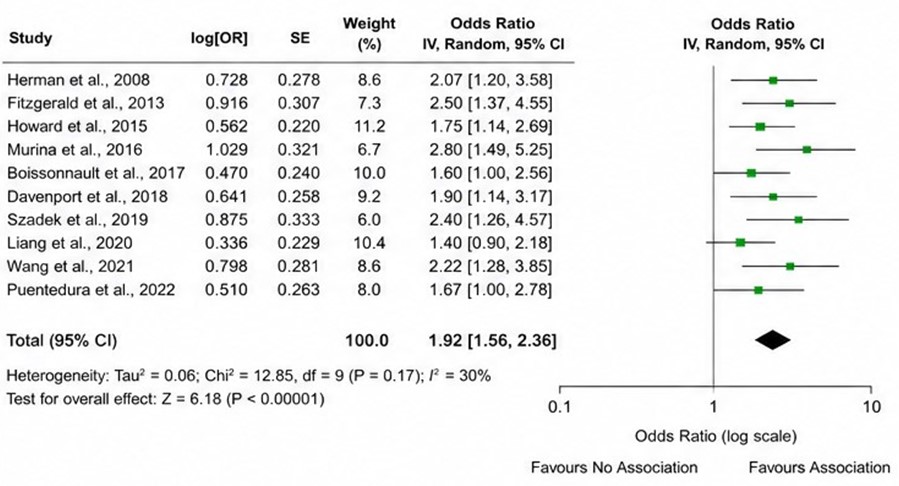
Methods: A structured literature review framework developed around studies addressing lumbar radiculopathy, lumbosacral neurological dysfunction, pelvic floor muscle abnormalities, pudendal neuralgia, chronic pelvic pain, and pain-processing mechanisms. Relevant publications identified through searches of biomedical literature and reference lists. Evidence organized into four domains: anatomical and neurophysiological connections, clinical associations, pain amplification mechanisms, and diagnostic and therapeutic implications. Because study populations, diagnostic definitions, and outcome measures are heterogeneous, quantitative pooling not undertaken without verified, comparable study-level data.
Results: The literature supports several biologically plausible connections between spinal and pelvic symptoms. Lumbosacral nerve-root pathology may influence pelvic sensation, sphincter function, and pelvic floor motor control. Pain-related protective muscle activation, impaired relaxation, and myofascial tenderness may contribute to persistent pelvic symptoms. Peripheral neuralgia and central sensitization may further amplify pain and complicate clinical assessment. Nevertheless, evidence directly establishing lumbar spine disorders as a causal determinant of pelvic floor dysfunction remains limited, and associations not assumed to demonstrate directionality.
Conclusion: Assessment of women with concurrent lumbar and pelvic symptoms should integrate neurological, musculoskeletal, gynecological, urological, and pelvic floor findings. Mechanism-based, multidisciplinary management is clinically reasonable, but prospective studies using standardized diagnostic criteria and longitudinal outcomes are required to establish causal pathways and treatment effectiveness.
Graphical Abstract
Keywords
Subjects