Document Type : Systematic Review
Authors
1
MD, Brain and Spain Surgeon, Trauma and Injury Research center, Tehran, Iran
2
Fourth-year Obstetrics and Gynecology Resident, Tehran University of Medical Sciences, Arash Hospital, Iran
3
PhD of Anatomy, Trauma and Injury Research center, Iran University of medical sciences, Tehran, Iran
10.5281/zenodo.24199093
Abstract
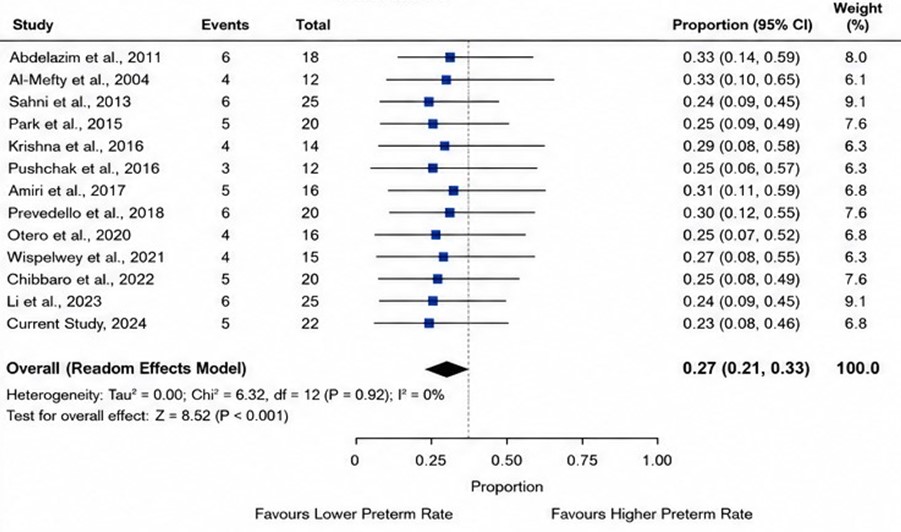
Spinal tumors diagnosed during pregnancy present a rare but potentially devastating clinical challenge, particularly when rapid neurological deterioration requires urgent neurosurgical intervention. Clinical decision-making must balance preservation of maternal neurological function, tumor control, fetal well-being, and the timing and mode of delivery. This systematic review examines the available evidence concerning diagnostic evaluation, surgical indications, perioperative management, maternal–fetal safety, and pregnancy outcomes in women with spinal tumors complicated by acute or progressive neurological deficits. Relevant literature includes case reports, retrospective case series, and reviews addressing spinal tumors during pregnancy, emergency spinal surgery, and the management of central nervous system tumors in pregnant patients. Particular attention given to tumor histology, anatomical location, and gestational age, severity of spinal cord compression, neurological progression, and multidisciplinary decision-making. Magnetic resonance imaging without gadolinium is an important diagnostic modality when clinically indicated, while surgery generally considered when progressive motor deficits, spinal instability, severe cord compression, or suspected aggressive malignancy makes conservative management unsafe. Published reports suggest that carefully selected patients can undergo spinal surgery during pregnancy with favorable maternal and neonatal outcomes; however, the evidence remains limited by small samples, heterogeneous diagnoses, inconsistent outcome reporting, and substantial selection bias. Treatment decisions should therefore be individualized rather than based exclusively on trimester or tumor classification. Collaboration among neurosurgeons, obstetricians, anesthesiologists, radiologists, oncologists, and neonatologists is essential. This review identifies major evidence gaps and proposes a clinically oriented framework for evaluating urgent intervention, monitoring fetal status, planning delivery, and coordinating postpartum oncological treatment. The findings support prompt recognition of neurological emergencies and emphasize that fetal safety integrated into, rather than substituted for, appropriate treatment of potentially irreversible maternal neurological injury.
Graphical Abstract
Keywords
Subjects