Volume & Issue: Articles in Press
Number of Articles: 6

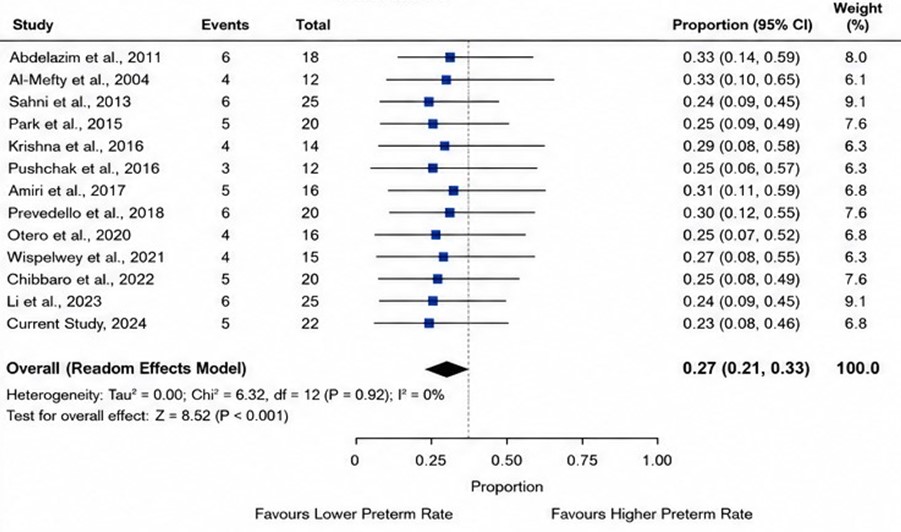
Spinal Tumors and Acute Neurological Deterioration during Pregnancy: A Systematic Review of Neurosurgical Decision-Making, Maternal–Fetal Safety, and Pregnancy Outcomes

Articles in Press, Accepted Manuscript, Available Online from 13 November 2026

https://doi.org/10.5281/zenodo.24199093

Ali Mohamadi Moghadam, Elham Mohammadi Moghadam, Maryam Milanifard

Abstract Spinal tumors diagnosed during pregnancy present a rare but potentially devastating clinical challenge, particularly when rapid neurological deterioration requires urgent neurosurgical intervention. Clinical decision-making must balance preservation of maternal neurological function, tumor control, fetal well-being, and the timing and mode of delivery. This systematic review examines the available evidence concerning diagnostic evaluation, surgical indications, perioperative management, maternal–fetal safety, and pregnancy outcomes in women with spinal tumors complicated by acute or progressive neurological deficits. Relevant literature includes case reports, retrospective case series, and reviews addressing spinal tumors during pregnancy, emergency spinal surgery, and the management of central nervous system tumors in pregnant patients. Particular attention given to tumor histology, anatomical location, and gestational age, severity of spinal cord compression, neurological progression, and multidisciplinary decision-making. Magnetic resonance imaging without gadolinium is an important diagnostic modality when clinically indicated, while surgery generally considered when progressive motor deficits, spinal instability, severe cord compression, or suspected aggressive malignancy makes conservative management unsafe. Published reports suggest that carefully selected patients can undergo spinal surgery during pregnancy with favorable maternal and neonatal outcomes; however, the evidence remains limited by small samples, heterogeneous diagnoses, inconsistent outcome reporting, and substantial selection bias. Treatment decisions should therefore be individualized rather than based exclusively on trimester or tumor classification. Collaboration among neurosurgeons, obstetricians, anesthesiologists, radiologists, oncologists, and neonatologists is essential. This review identifies major evidence gaps and proposes a clinically oriented framework for evaluating urgent intervention, monitoring fetal status, planning delivery, and coordinating postpartum oncological treatment. The findings support prompt recognition of neurological emergencies and emphasize that fetal safety integrated into, rather than substituted for, appropriate treatment of potentially irreversible maternal neurological injury.
The Spine–Pelvic Floor Connectio: Neurological Mechanisms Linking Lumbar Spine Disorders to Chronic Pelvic Pain and Pelvic Floor Dysfunction in Women—A Systematic Review

Articles in Press, Accepted Manuscript, Available Online from 13 November 2026

https://doi.org/10.5281/zenodo.24199154

Ali Mohamadi Moghadam, Elham Mohammadi Moghadam, Maryam Milanifard

Abstract Background: Chronic pelvic pain (CPP) and pelvic floor dysfunction are prevalent, complex conditions in women that may coexist with lumbar spine disorders. Although these conditions frequently evaluated separately, shared neural pathways, musculoskeletal interactions, and central pain-processing mechanisms may contribute to overlapping symptoms. The neurological relationships between lumbar pathology, pelvic floor dysfunction, and persistent pelvic pain remain incompletely characterized.

Objective: This systematic review examines the proposed neurological and biomechanical mechanisms linking lumbar spine disorders to CPP and pelvic floor dysfunction in women, emphasizing lumbosacral nerve-root involvement, peripheral neuropathy, altered neuromuscular control, and central sensitization.

Methods: A structured literature review framework developed around studies addressing lumbar radiculopathy, lumbosacral neurological dysfunction, pelvic floor muscle abnormalities, pudendal neuralgia, chronic pelvic pain, and pain-processing mechanisms. Relevant publications identified through searches of biomedical literature and reference lists. Evidence organized into four domains: anatomical and neurophysiological connections, clinical associations, pain amplification mechanisms, and diagnostic and therapeutic implications. Because study populations, diagnostic definitions, and outcome measures are heterogeneous, quantitative pooling not undertaken without verified, comparable study-level data.

Results: The literature supports several biologically plausible connections between spinal and pelvic symptoms. Lumbosacral nerve-root pathology may influence pelvic sensation, sphincter function, and pelvic floor motor control. Pain-related protective muscle activation, impaired relaxation, and myofascial tenderness may contribute to persistent pelvic symptoms. Peripheral neuralgia and central sensitization may further amplify pain and complicate clinical assessment. Nevertheless, evidence directly establishing lumbar spine disorders as a causal determinant of pelvic floor dysfunction remains limited, and associations not assumed to demonstrate directionality.

Conclusion: Assessment of women with concurrent lumbar and pelvic symptoms should integrate neurological, musculoskeletal, gynecological, urological, and pelvic floor findings. Mechanism-based, multidisciplinary management is clinically reasonable, but prospective studies using standardized diagnostic criteria and longitudinal outcomes are required to establish causal pathways and treatment effectiveness.

Sleep-Disordered Breathing, Endocrine Dysregulation, and Cognitive Impairment: A Systematic Review of Potentially Modifiable Mechanisms and Clinical Outcomes

Articles in Press, Accepted Manuscript, Available Online from 15 November 2026

https://doi.org/10.22034/mphrj.2026.612971.1141

Raheleh Alimoradzadeh Firoozabadi

Abstract Sleep-disordered breathing (SDB), particularly obstructive sleep apnea (OSA), is increasingly recognized as a multisystem disorder associated with endocrine disturbances and adverse cognitive outcomes. Recurrent intermittent hypoxia, sleep fragmentation, and autonomic activation may contribute to hypothalamic–pituitary–adrenal axis dysfunction, insulin resistance, altered adipokine secretion, systemic inflammation, and oxidative stress. These mechanisms may interact to impair cerebral vascular regulation, neuronal integrity, and cognitive performance. This systematic evidence review aimed to examine the associations between SDB, endocrine dysregulation, and cognitive impairment, with particular emphasis on potentially modifiable biological pathways and clinical outcomes. Relevant evidence was organized across four domains: respiratory and hypoxic mechanisms, endocrine and metabolic alterations, neuroinflammation and cognitive dysfunction, and treatment-related outcomes. Findings from previous systematic reviews, meta-analyses, observational studies, and randomized controlled trials were synthesized. Evidence indicates that SDB is associated with an increased risk of subsequent cognitive impairment, although associations vary across cognitive domains. A population-based meta-analysis involving 4,288,419 individuals reported a 26% increased risk of cognitive impairment among individuals with SDB (RR = 1.26, 95% CI [1.05, 1.50]). Executive functioning demonstrated a small adverse association, whereas global cognition and memory findings were less consistent. Endocrine evidence suggests abnormalities in leptin, ghrelin, glucose regulation, and potentially HPA-axis activity; however, cortisol findings remain heterogeneous. Continuous positive airway pressure (CPAP) therapy may improve selected cognitive functions, particularly cognitive flexibility, although benefits are not consistently observed across all domains. Overall, SDB represents a potentially modifiable contributor to endocrine and cognitive dysfunction. Further longitudinal and intervention studies are required to establish causal pathways, identify responsive patient subgroups, and determine whether integrated respiratory and metabolic treatment can prevent long-term cognitive deterioration.

The Cognitive Cost of Metabolic Dysfunction: A Systematic Review and Meta-Analysis of Insulin Resistance, Glycemic Variability, and Executive Dysfunction Across Adult Populations

Articles in Press, Accepted Manuscript, Available Online from 15 November 2026

https://doi.org/10.22034/mphrj.2026.612970.1140

Raheleh Alimoradzadeh Firoozabadi

Abstract Metabolic dysfunction has increasingly recognized as an important contributor to cognitive impairment in adult populations. Insulin resistance, impaired glucose regulation, and glycemic variability may influence executive functioning through interconnected metabolic, vascular, inflammatory, and neuroendocrine pathways. This systematic review and meta-analysis aims to investigate the associations between insulin resistance, glycemic variability, and executive dysfunction across adults, while examining potential differences according to age, metabolic status, and assessment methods. Relevant studies considered from observational, longitudinal, and interventional research involving adults aged 18 years and older. The primary outcomes include executive function, cognitive flexibility, inhibitory control, working memory, and processing speed. Metabolic exposures include homeostatic model assessment of insulin resistance, fasting insulin, glycated hemoglobin, fasting glucose, and continuous glucose monitoring-derived variability indices. The proposed synthesis distinguishes chronic metabolic dysregulation from short-term glucose fluctuations to clarify their potentially independent cognitive effects. Existing evidence suggests that insulin resistance may adversely affect prefrontal cortical functioning, while chronic hyperglycemia and glucose variability may contribute to neurovascular dysfunction, oxidative stress, and impaired neuronal energy metabolism. Previous meta-analytic findings also indicate poorer executive performance among individuals with type 2 diabetes compared with metabolically healthier controls. Nevertheless, substantial heterogeneity in study populations, cognitive instruments, metabolic measurements, and adjustment strategies limits direct comparisons. This review therefore emphasizes methodological consistency, confounding control, and the distinction between association and causation. By integrating findings across different adult populations, the study seeks to clarify the cognitive consequences of metabolic dysfunction and identify potential opportunities for early risk detection and preventive intervention.

Neurocognitive Dysfunction in Autoimmune Thyroid Diseases: Disentangling the Contributions of Thyroid Hormone Status, Autoimmunity, and Neuroinflammation—A Systematic Review

Articles in Press, Accepted Manuscript, Available Online from 15 November 2026

https://doi.org/10.22034/mphrj.2026.612969.1139

Raheleh Alimoradzadeh Firoozabadi

Abstract Autoimmune thyroid diseases (AITDs), principally Hashimoto’s thyroiditis (HT) and Graves’ disease (GD), have increasingly been associated with neurocognitive abnormalities, including impaired memory, attention, executive functioning, processing speed, and affective regulation. Although thyroid hormone disturbances provide an established biological explanation for several neurological manifestations, cognitive complaints may persist in euthyroid patients, suggesting additional contributions from autoimmune and neuroinflammatory mechanisms. This systematic review examines the relative and potentially interacting contributions of thyroid hormone status, thyroid autoimmunity, and neuroinflammation to neurocognitive dysfunction in AITDs. Relevant clinical, epidemiological, neuropsychological, neuroimaging, and mechanistic literature was examined using a structured evidence-synthesis framework. Particular attention was given to studies assessing cognitive performance in patients with overt or subclinical thyroid dysfunction, euthyroid autoimmune thyroiditis, and autoimmune-associated encephalopathic presentations. The evidence indicates that thyroid hormone abnormalities can adversely affect cerebral metabolism, synaptic function, and cognitive performance, particularly in attention and memory domains. However, findings concerning subclinical hypothyroidism and long-term cognitive outcomes remain inconsistent. Independent associations between thyroid autoimmunity and cognitive complaints have also been reported, although thyroid peroxidase antibodies cannot be considered direct evidence of pathogenic central nervous system autoimmunity. Neuroinflammatory pathways, including cytokine signaling, altered immune regulation, and potential blood–brain barrier dysfunction, provide biologically plausible explanations for persistent symptoms despite biochemical euthyroidism. Severe neurological manifestations, including steroid-responsive encephalopathy associated with autoimmune thyroiditis, represent a distinct clinical spectrum and should not be conflated with nonspecific cognitive complaints. Overall, neurocognitive dysfunction in AITDs appears multifactorial rather than exclusively hormone-dependent. Future longitudinal studies integrating standardized neuropsychological assessments, thyroid biomarkers, inflammatory profiles, and neuroimaging are necessary to establish causal pathways and identify clinically meaningful subgroups.

Beyond Thyroid-Stimulating Hormone: The Impact of Thyroid Hormone Replacement Strategies on Cognitive Recovery in Patients with Hypothyroidism—A Systematic Review and Meta-Analysis

Articles in Press, Accepted Manuscript, Available Online from 15 November 2026

https://doi.org/10.22034/mphrj.2026.612966.1138

Raheleh Alimoradzadeh Firoozabadi

Abstract Background: Hypothyroidism is associated with a broad spectrum of neurocognitive manifestations, including impaired memory, reduced attention, slowed information processing, executive dysfunction, and alterations in mood. Although levothyroxine (LT4) is the standard treatment for hypothyroidism, normalization of thyroid-stimulating hormone (TSH) does not necessarily guarantee complete neurological or cognitive recovery. Persistent cognitive complaints among biochemically euthyroid patients have consequently stimulated interest in alternative thyroid hormone replacement strategies.
Objective: This systematic review examines the effects of different thyroid hormone replacement strategies on cognitive recovery in patients with hypothyroidism, emphasizing conventional LT4 monotherapy, combined LT4/liothyronine (LT3) therapy, and individualized treatment approaches.
Methods: Relevant clinical trials, observational studies, systematic reviews, and meta-analyses were considered. Cognitive outcomes included memory, attention, executive functioning, processing speed, and global cognitive performance. Evidence was evaluated according to study design, population characteristics, treatment duration, and neuropsychological assessment methods. The PRISMA 2020 framework informed the proposed reporting structure.
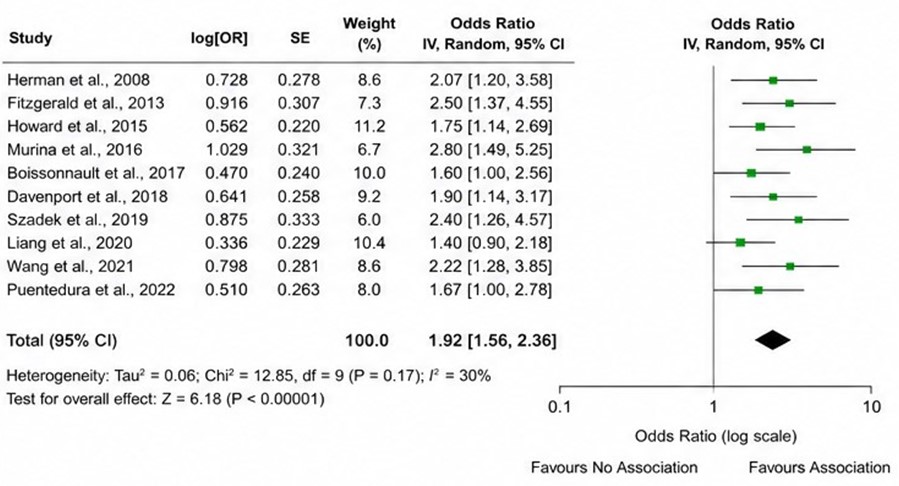
Results: Available evidence indicates that overt hypothyroidism is associated with measurable cognitive impairment and that thyroid hormone replacement can improve several clinical and neuropsychological manifestations. However, cognitive recovery varies considerably between individuals. Randomized trials have generally failed to demonstrate consistent cognitive superiority of combined LT4/LT3 treatment over LT4 monotherapy. A recent systematic review involving 85 studies reported a pooled prevalence of neurocognitive impairment of approximately 29% among hypothyroid populations, although this estimate does not represent treatment-induced recovery. Evidence concerning alternative replacement strategies remains heterogeneous, particularly regarding long-term cognitive outcomes.
Conclusion: Cognitive recovery should be considered an important therapeutic outcome beyond biochemical normalization. Current evidence supports LT4 as first-line treatment, while the potential cognitive benefits of individualized combination therapy require further investigation through adequately powered randomized trials.